If you’ve found a box of coins in the attic or inherited a small collection and want to know what it’s worth, this guide walks you through the whole process. We’ll start with the basics—identifying what you have—then move into condition, rarity, authentication, and where to look for reliable price information. Along the way münzwert bestimmen you’ll get a short toolkit list, a handy grading table, and practical tips to help you avoid mistakes that can cost you money or damage a coin’s value. Read on with a cup of coffee; evaluating coins is part detective work, part science, and surprisingly satisfying when you get it right.
First Steps: Identify the Coin
The very first thing to do is identify the coin. That means noting the country, denomination, date, and any mint mark or inscription. These are the anchor facts that determine which reference materials and price guides apply. Use a loupe or magnifying glass to read faint dates and look for small letters near the date or on the obverse/reverse—those letters are often mint marks and matter a great deal. Also take note of design changes, portrait variations, and any obvious errors like doubled dies or off-center strikes; those features often increase interest and value.
Key identification steps
- Read the date and mint mark carefully (e.g., «CC,» «S,» «D» on U.S. coins).
- Note metal type: is it gold, silver, copper, or base metal? Color and weight help here.
- Compare the design to images in a trusted catalog—many coins changed designs over time.
- Photograph both sides under good light for later reference or when asking experts.
Condition Matters: How Grading Affects Value
A coin’s condition—commonly called its grade—often has a larger effect on price than age. Two coins of the same date can differ by tens, hundreds, or thousands of dollars depending on how worn or well-preserved they are. Grading looks at wear, luster, surface marks, and strike quality. Professional grading services assign numeric grades (e.g., MS-65, AU-50) and encapsulate coins in tamper-evident holders; this can increase buyer confidence and sometimes the realized price.
Quick grading guide
| Grade | Short Description | When to consider professional grading |
|---|---|---|
| Poor to Good (P–G) | Heavy wear, date and major design visible | Usually not worth third-party grading |
| Fine to Very Fine (F–VF) | Moderate wear but major details remain | Grade locally if uncertain |
| Extremely Fine (EF/XF) | Light wear on the highest points | Consider grading for scarce dates |
| About Uncirculated to Mint State (AU–MS) | Little to no wear; Mint State shows full luster | Best candidates for professional grading |
Rarity and Demand: Why Some Old Coins Are Worth More
Rarity isn’t just about mintage figures; it’s also about survival rate, collector demand, and historical significance. A coin struck in small numbers but widely melted later may be extremely scarce. Conversely, a very old coin that exists in millions might be common and thus less valuable. Collector trends matter too—popular series such as U.S. Morgan dollars, British sovereigns, or certain ancient Greek types can command premium prices because many collectors focus on them.
Factors that increase a coin’s value
- Low mintage or low survival rate
- Significant historical connection or provenance
- Attractive toning or exceptional eye appeal
- Minting errors and recognized varieties
- Strong market demand for that series or type
Tools of the Trade: What You Need to Inspect Coins
You don’t need a full laboratory to begin assessing coins. A few inexpensive tools will let you examine details that influence value. Use them carefully—never use anything abrasive on a coin’s surface. Treat every coin as fragile when cleaning and handling: always hold by the edges, avoid touching faces, and work over a soft surface.
| Tool | Why it helps | Approximate cost |
|---|---|---|
| 10x Loupe | Magnify small details like mint marks, die cracks, and contact marks | $10–$50 |
| Digital Scale (0.01 g) | Verify metal content through weight comparisons | $20–$60 |
| Calipers | Measure diameter and thickness against reference specs | $10–$40 |
| Soft gloves and pads | Prevent oils and scratches when handling | $5–$20 |
| Reference books or smartphone apps | Identification and price comparison | Free–$50 |
Reference Materials and Reliable Price Sources
Once identified and graded, consult reliable references. For U.S. coins, the Red Book (Guide Book of United States Coins) is a classic starting point, while the Krause Standard Catalog covers world coins. Online, PCGS, NGC, and Heritage provide auction results and population reports. eBay’s «sold» listings are useful for current market activity, but treat them as one data point; private sales, auctions, and dealer prices can differ.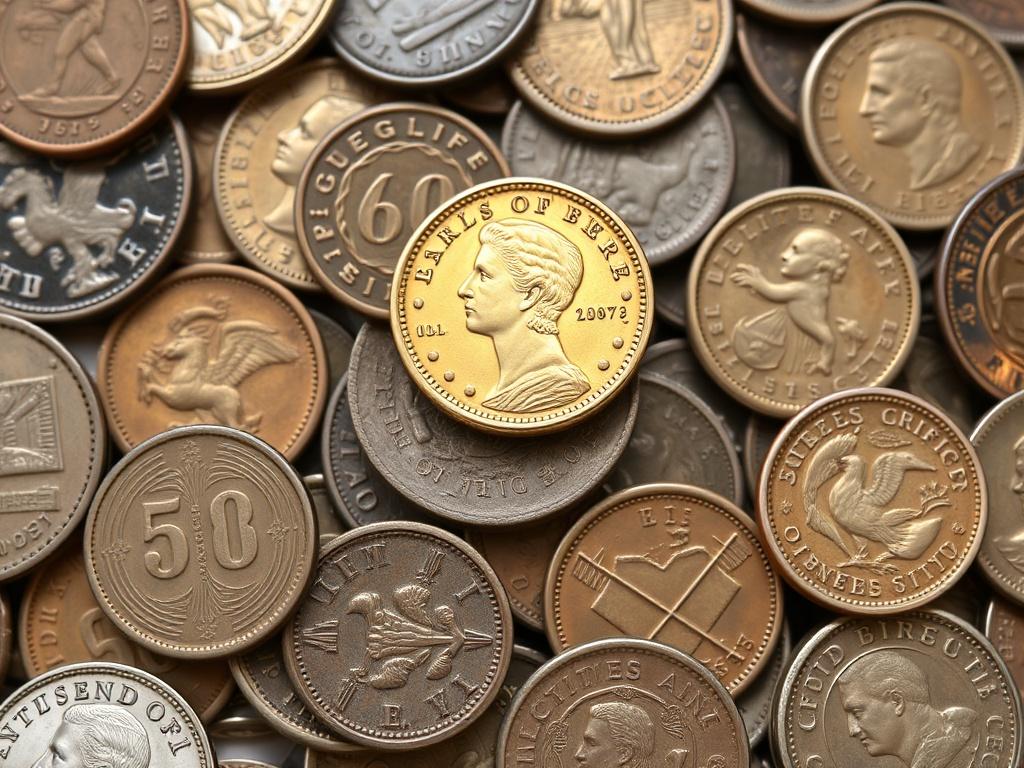
Where to look
- Printed catalogs: authoritative baseline values
- Grading services: PCGS, NGC population and price guides
- Auction house archives: Heritage, Stack’s Bowers, etc.
- Completed online listings for recent sale prices
- Local coin shops and shows for face-to-face appraisals
Authentication: How to Spot Counterfeits
Counterfeits exist, especially for high-value gold and silver issues. Authentication combines visual inspection, weight and dimension checks, and sometimes advanced testing. Look for incorrect fonts, odd spacing, inconsistent wear, or evidence of casting (small bubbles or seams). Using a scale and calipers to check against published specs quickly weeds out many fakes. For anything valuable or suspicious, send the coin to a professional grading and authentication service rather than basing a sale on your own judgment alone.
Red flags for fakes
- Weight off by more than a tiny fraction of the spec
- Ridges or seam lines indicating casting
- Surface chemistry that changes color quickly when touched
- Badly matched design details under magnification
What Not to Do: Cleaning and Quick Fixes
Cleaning coins is one of the most common mistakes beginners make. Even light cleaning can scratch the surface or remove original toning, significantly reducing value. Never use abrasive chemicals, baking soda, or polishing cloths. If a coin is encrusted or corroded, seek a professional conservator or get guidance from an experienced dealer before attempting any cleaning. Most of the time the best course is to leave the coin alone.
Estimating Value vs. Realized Price
Remember that guidebook values are estimates for specific grade levels and market conditions; the price you get depends on where and how you sell. Auction results show realized prices, which can be higher or lower than guide values depending on buyer competition. Dealers must make a profit, so expect wholesale offers lower than retail listings. If maximizing return matters, selling through a reputable auction house or consignment service often yields the best results, especially for scarce, high-grade items.
Common selling channels and what to expect
- Local dealers: quick sale, lower payout
- Coin shows: better exposure, opportunity to compare offers
- Online marketplaces: wide audience, variable fees and buyer trust
- Auction houses: best for high-value or rare coins, commission applies
Examples: Why Small Details Change the Value
Some coins demonstrate how tiny differences matter. A particular year might be common in worn condition but extremely rare in mint-state; a single mint mark can turn a common issue into a prized variety. Errors such as doubled dies, repunched mint marks, and off-center strikes often attract collectors and can dramatically increase attention and price. Always check for known varieties within a series—specialist catalogs and forums are invaluable for this.
How to make a practical plan for your coins
- Sort coins by country and denomination; separate precious metal pieces.
- Identify dates and mint marks; photograph both sides of each coin.
- Assess condition roughly with a loupe; note candidates for professional grading.
- Consult catalogs and online sold listings for similar dates and grades.
- Authenticate any high-value finds before accepting offers or attempting sale.
Resources and Communities
Join a coin club, follow reputable forums, and read auction catalogs to sharpen your eye. Experienced collectors and dealers can often spot issues you might miss and point you to relevant references. Official grading service websites publish useful guides and population data, while auction archives reveal what collectors are actually paying. Keep a running spreadsheet of your finds and what you discover about each—over time you’ll begin to see patterns and spotting valuable pieces becomes easier.
Checklist: Quick Reference Before Selling or Grading
| Step | Action |
|---|---|
| Identify | Date, mint mark, country, denomination |
| Document | Photograph both sides, note any obvious defects or varieties |
| Assess | Rough grade and metal type using tools |
| Research | Check catalogs, auction results, and completed online sales |
| Authenticate | Weigh, measure, and consult pros for high-value items |
| Decide | Choose selling route: dealer, show, online, or auction |
Final Practical Tips
Be patient. Valuing coins well takes time—rushing leads to missed varieties or poor decisions. Keep coins safe in holders or flips while you research, and avoid exposing valuable pieces to air and humidity. When seeking appraisals, get multiple opinions for high-value items. And remember: most coins are worth more as learning experiences than the immediate cash in your pocket—competence grows faster when you take the time to study each find.
Conclusion
Checking the value of old coins blends careful observation, measured research, and a little restraint. Identify the coin precisely, evaluate condition honestly, use reliable references and tools, and avoid cleaning or hasty sales. For potentially valuable or suspicious items, seek professional authentication and consider auction consignment to reach serious buyers. With practice you’ll learn to spot the signs of true rarity and separate the modest pieces from the ones worth preserving or selling for their full market potential.